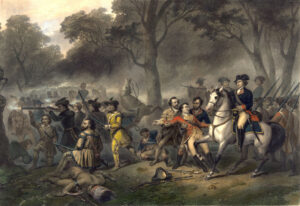
The Military Leadership of George Washington
How did the Continental Army, the forerunner of today’s U.S. Army, and its infant officer corps grow to the finest military force and professional officer corps in the world today?


How did the Continental Army, the forerunner of today’s U.S. Army, and its infant officer corps grow to the finest military force and professional officer corps in the world today?
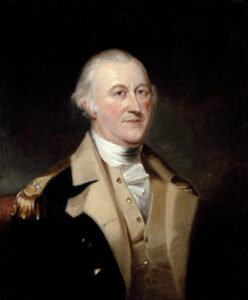
The engagement, remembered as the Battle of Bunker Hill, proved to be the only major battle of the prolonged siege of Boston that lasted until 17 March 1776, when the British forces, then under the command of Howe, finally evacuated the city and sailed for Nova Scotia.

Lieutenant General Arthur J. Gregg was a trailblazer for desegregation, becoming the first black lieutenant general in U.S. military history.
How did the Continental Army, the forerunner of today’s U.S. Army, and its infant officer corps grow to the finest military force and professional officer
The engagement, remembered as the Battle of Bunker Hill, proved to be the only major battle of the prolonged siege of Boston that lasted until
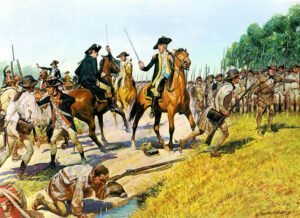
Examine four artworks from the Center of Military History’s Army Museum Enterprise Art Collection on the Revolutionary War.
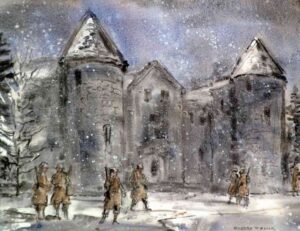
See four paintings created by Army artists held in the Center of Military History’s Army Museum Enterprise Art Collection.

See the animals the U.S. Army has relied on for tasks and morale alike throughout its history.
Examine four artworks from the Center of Military History’s Army Museum Enterprise Art Collection on the Revolutionary War.
See four paintings created by Army artists held in the Center of Military History’s Army Museum Enterprise Art Collection.
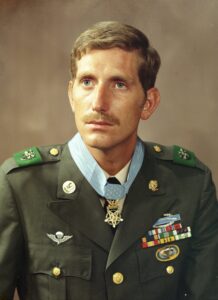
CSM ‘Doug’ Miller served for six years of combat in the Vietnam War, particularly in MACV-SOG as SF. He was awarded the Medal of Honor for actions in 1970.

British General Thomas Gage. . . said that “if one John Stark was with them, they would fight; for he was a brave fellow.”
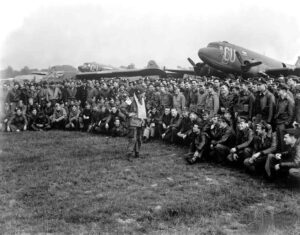
McAuliffe etched his name in U.S. Army lore when he issued a defiant one-word response to a German demand to surrender the American forces holding Bastogne.
CSM ‘Doug’ Miller served for six years of combat in the Vietnam War, particularly in MACV-SOG as SF. He was awarded the Medal of Honor
British General Thomas Gage. . . said that “if one John Stark was with them, they would fight; for he was a brave fellow.”
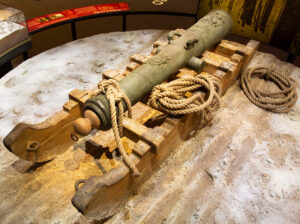
On display in the Founding the Nation Gallery at the National Museum of the United States Army is a 6-Pounder Gun Tube.
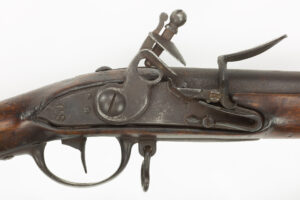
The French Charleville Musket was supplied to the Continental Army, starting in early 1777. The Model 1763 and 1766 muskets became the primary firearm of the American revolutionaries.
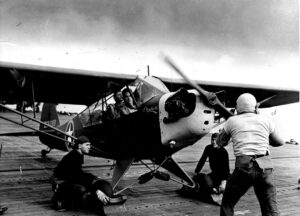
Bought in the thousands to serve a niche yet key combat role of World War II, the L-4 Grasshopper flew everywhere the Army went rolling along.
On display in the Founding the Nation Gallery at the National Museum of the United States Army is a 6-Pounder Gun Tube.
The French Charleville Musket was supplied to the Continental Army, starting in early 1777. The Model 1763 and 1766 muskets became the primary firearm of
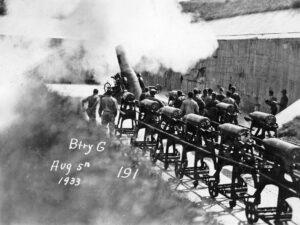
For nearly half a century, Fort H.G. Wright and its companion forts served as guardians at the entrance to Long Island Sound protecting the eastern approaches to New York City and the Connecticut seaports of Bridgeport, New Haven, and New London.
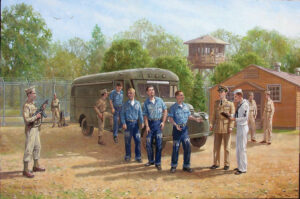
Constructed as part of fortifying the U.S. coast during the Spanish-American War, Fort Hunt served a series of important roles in later wars, including military intelligence and Operation PAPERCLIP.
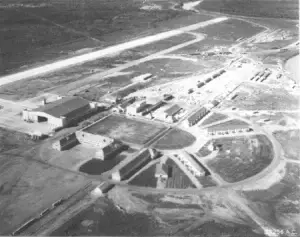
Fort Wainwright is a powerhouse of Army might, with over 7,700 soldiers posted there.
For nearly half a century, Fort H.G. Wright and its companion forts served as guardians at the entrance to Long Island Sound protecting the eastern
Constructed as part of fortifying the U.S. coast during the Spanish-American War, Fort Hunt served a series of important roles in later wars, including military

The 175th Infantry is the oldest continuously operating military unit in Maryland, and the seventh oldest regiment in the U.S. Army.
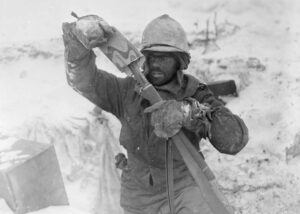
The “Checkerboarders” fought fiercely in World War II, witnessing 151 days in combat, particularly during the Battle of the Bulge.
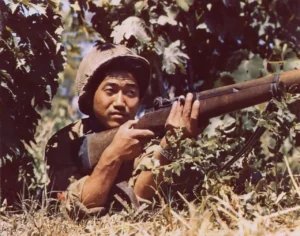
The 100th Battalion, 442d Infantry Regiment, carries on the legacy of the 100th Infantry Battalion (Separate) of World War II fame.
The 175th Infantry is the oldest continuously operating military unit in Maryland, and the seventh oldest regiment in the U.S. Army.
The “Checkerboarders” fought fiercely in World War II, witnessing 151 days in combat, particularly during the Battle of the Bulge.
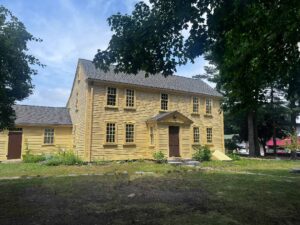
Visit the Jason Russell House and Museum to learn more about The Battle of Menotomy, in present day Arlington, MA, which saw the most intense fighting of 19 April 1775.
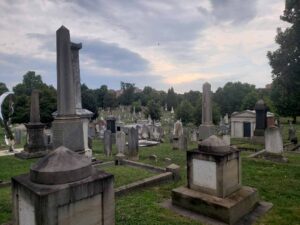
On 20 July 1807, congressmen, department heads, military officers, and others gathered at a small, 4.5-acre cemetery in Square 1115 of Washington City, the fledgling capital of the new nation.
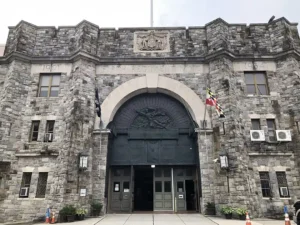
Located within the historic Fifth Regiment Armory in Baltimore, Maryland, the Maryland Museum of Military History was founded in 1982 to preserve the history and heritage of Maryland’s National Guard.
Visit the Jason Russell House and Museum to learn more about The Battle of Menotomy, in present day Arlington, MA, which saw the most intense
On 20 July 1807, congressmen, department heads, military officers, and others gathered at a small, 4.5-acre cemetery in Square 1115 of Washington City, the fledgling

“Robins’s book presents . . . challenging realities in a succinct and articulate manner, displaying the differences between good intention versus real world results.”
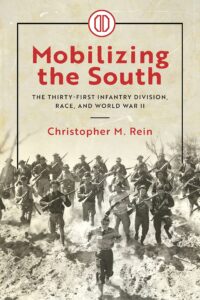
“If only more historical studies were so critical of the protagonists, to show their complexities and biases, how they can be both heroic and unjust.”
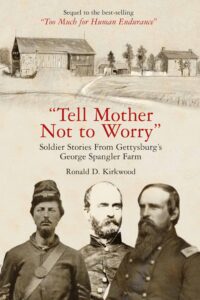
“What makes this work especially impressive are the anecdotes of so many, not only during the battle, but for years after the Battle of Gettysburg, from what happened at the Spangler Farm hospitals.”
“Robins’s book presents . . . challenging realities in a succinct and articulate manner, displaying the differences between good intention versus real world results.”
“If only more historical studies were so critical of the protagonists, to show their complexities and biases, how they can be both heroic and unjust.”