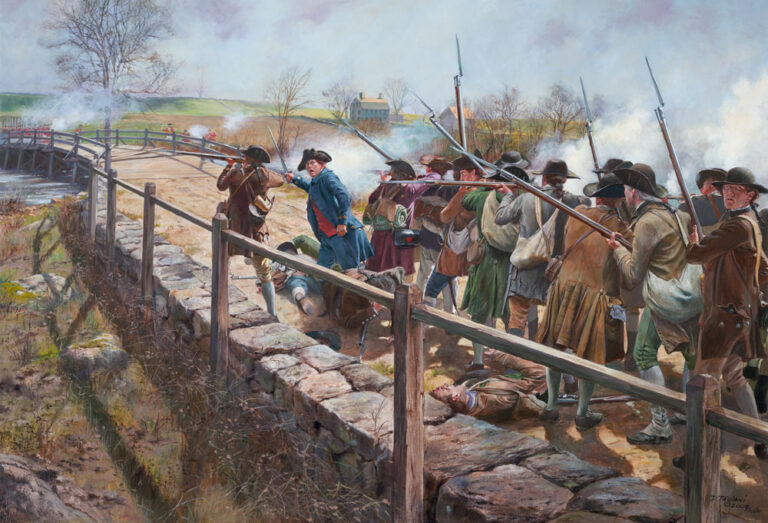
Eyewitness – Fighting at the North Bridge
Fire, men, fire!

Fire, men, fire!
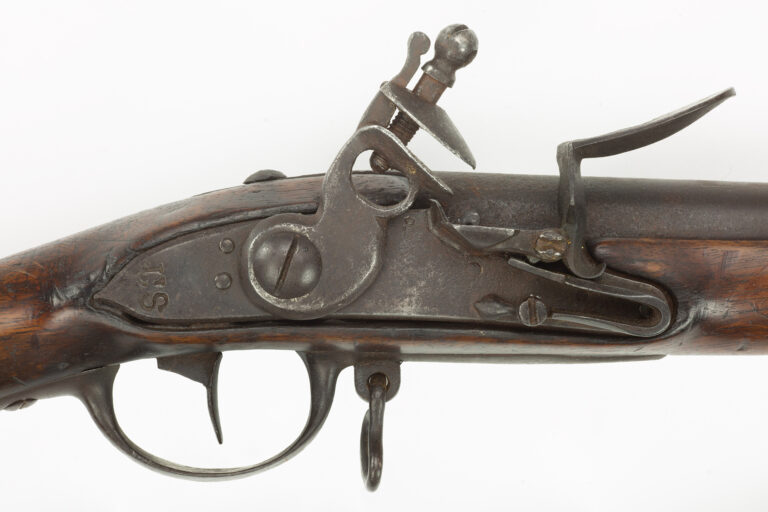
The French Charleville Musket was supplied to the Continental Army, starting in early 1777. The Model 1763 and 1766 muskets became the primary firearm of the American revolutionaries.
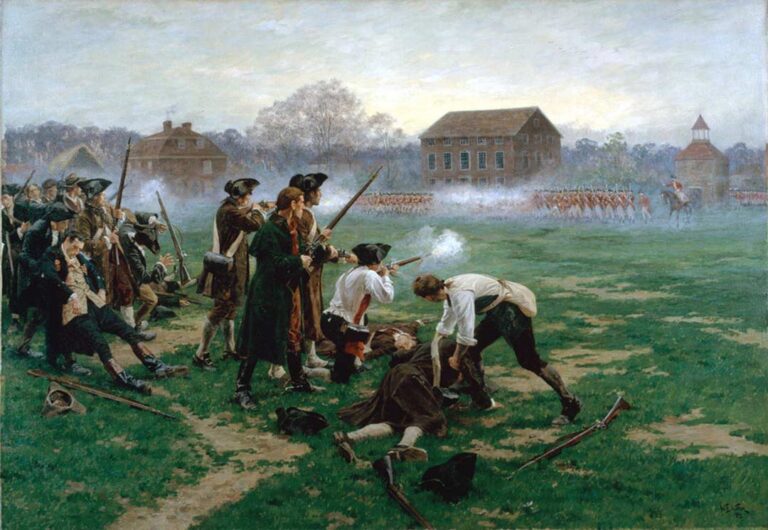
Dear Members: On 19 April 1775, Sylvanus Wood stood at Lexington with the other minutemen, awaiting the British regulars marching to Concord. Wood was dressed in civilian clothes, as were
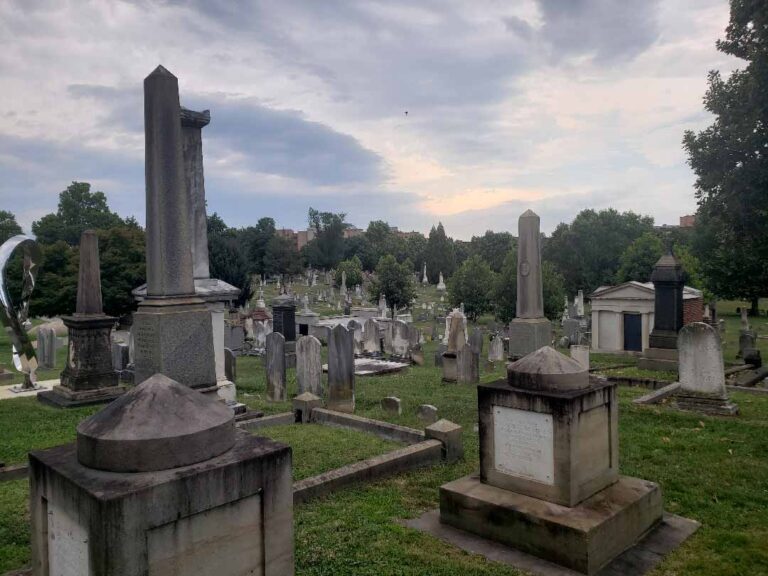
On 20 July 1807, congressmen, department heads, military officers, and others gathered at a small, 4.5-acre cemetery in Square 1115 of Washington City, the fledgling capital of the new nation.
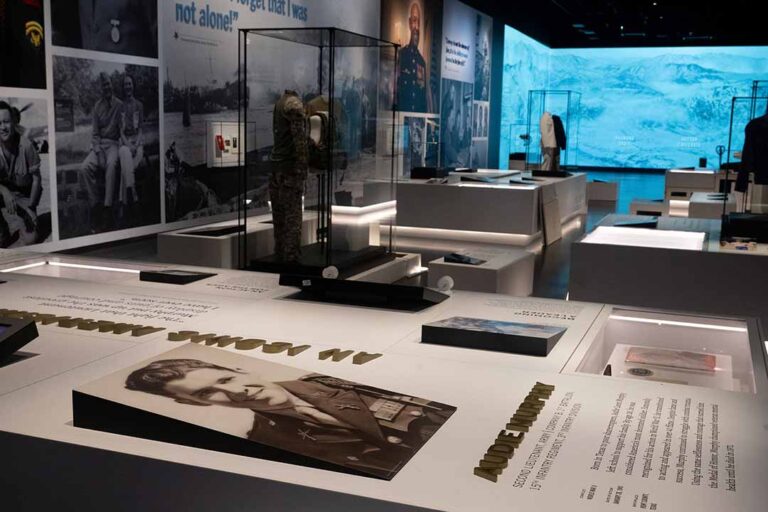
Five items of recent news as of June 2025.
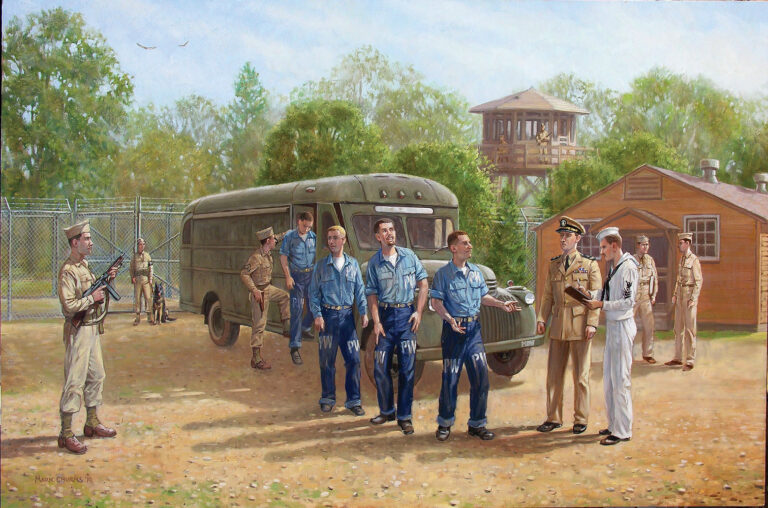
Constructed as part of fortifying the U.S. coast during the Spanish-American War, Fort Hunt served a series of important roles in later wars, including military intelligence and Operation PAPERCLIP.
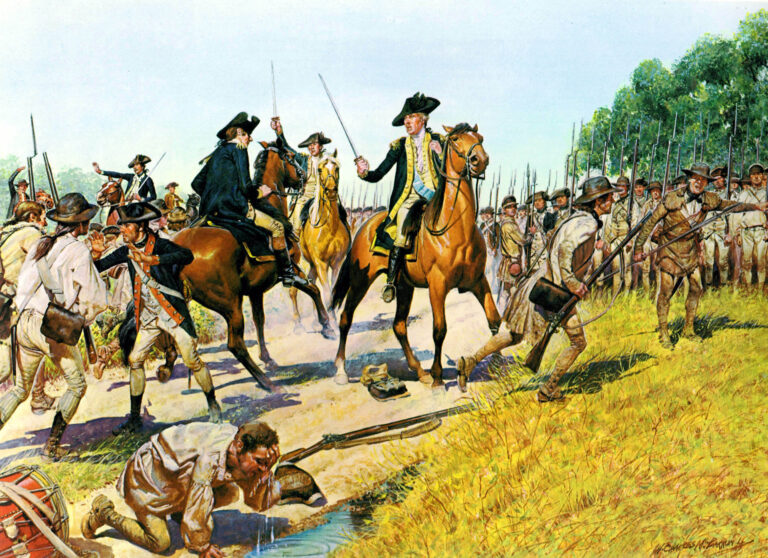
Examine four artworks from the Center of Military History’s Army Museum Enterprise Art Collection on the Revolutionary War.

“Urban Battlefields serves as a timely reminder that war is by nature a human endeavor where technology, no matter how sophisticated, serves as the means, rather than as the panacea
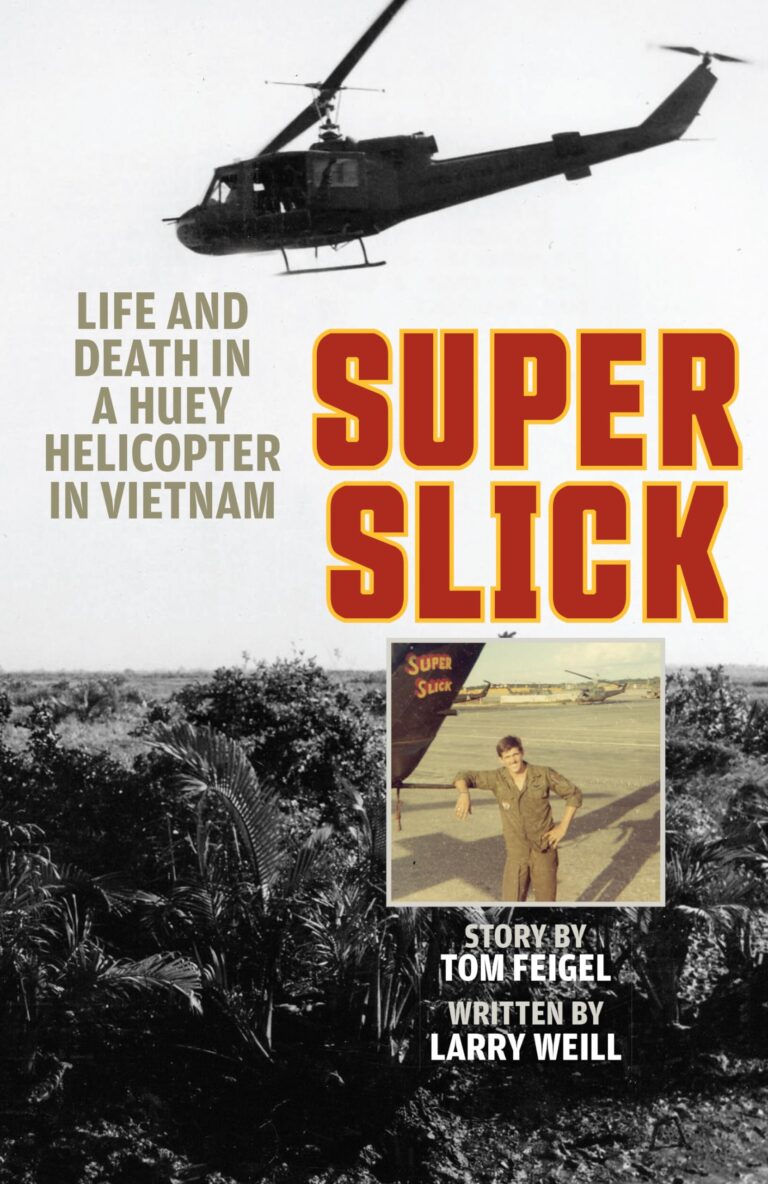
“Authors Tom Feigel and Larry Weill do a commendable job of documenting the lives of the aircrews of the Huey helicopter, the workhorse of the Vietnam war.”